
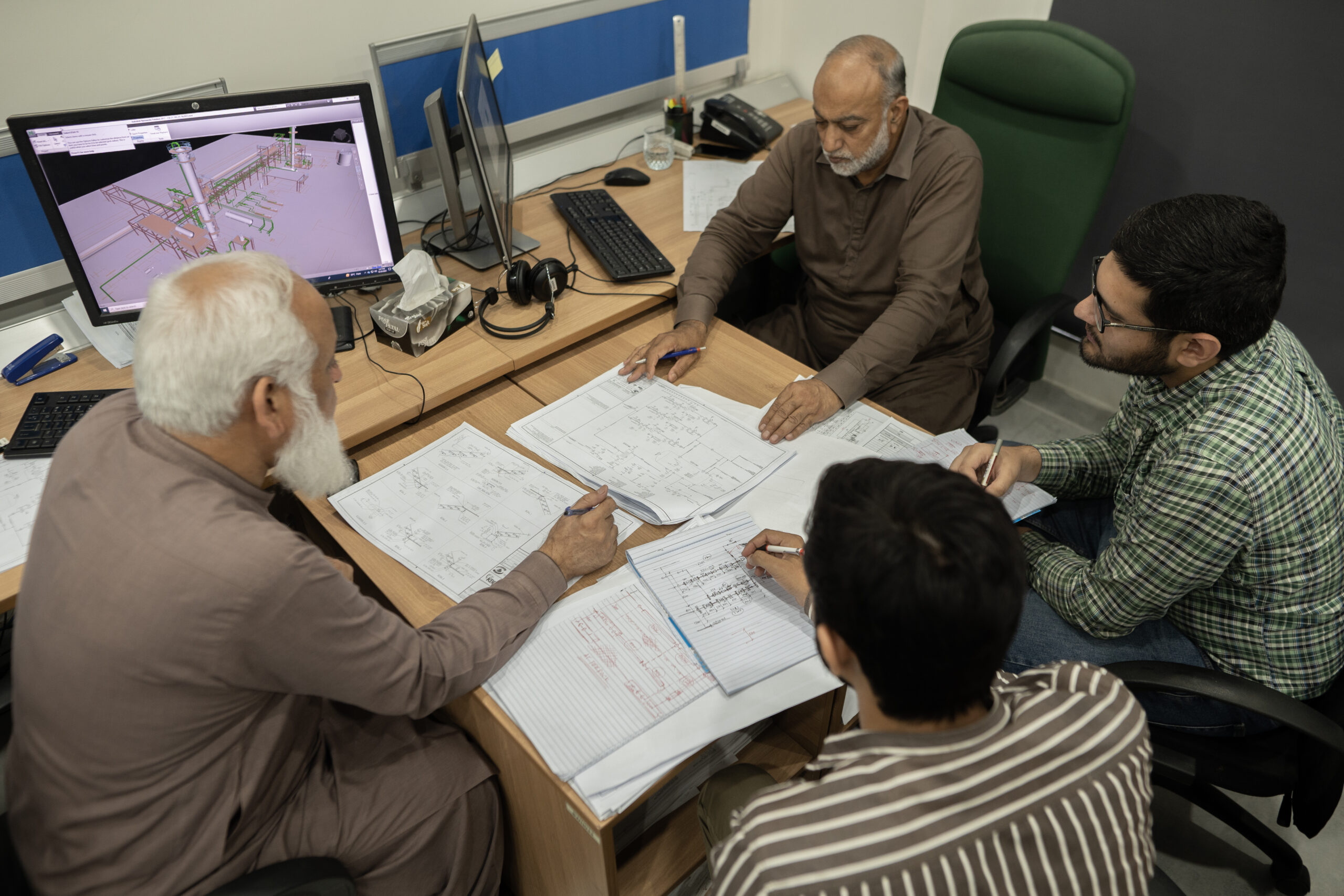
You know what really drives efficiency in modern energy facilities? Industrial engineering. Here at Brillante Engineers, we’ve spent years applying industrial engineering principles to make oil and gas operations run better. Our expertise has helped petrochemical plants operate more smoothly, faster, and way safer than they used to.
Here’s something I’ve noticed – every industrial facility out there deals with pretty much the same headaches. Resources aren’t cheap. Time is always running out. And quality? That can’t slip even a little bit. Industrial engineering tackles all these challenges head-on through systematic analysis and solutions that actually make sense.
Understanding Industrial Engineering in Energy Sectors
Industrial engineering is all about making systems work better – plain and simple. It examines people, materials, equipment, and information. We analyze everything. Waste gets kicked to the curb. Efficiency shoots up.
In oil and gas facilities, this stuff matters more than you might think. Small improvements end up creating massive savings. Better layouts mean people aren’t walking miles every shift. Smarter scheduling pushes throughput higher. Proper quality control stops you from having to redo expensive work.
Our approach always starts with just watching how things actually happen. We observe real operations, not what some manual says should be happening. Because honestly, real operations are where you find the real opportunities for improvement.
Process Optimization for Peak Performance
Every process I’ve ever seen has bottlenecks somewhere. These slow spots put a cap on your overall capacity. Finding them takes genuine expertise. Fixing them? That requires planning that’s been thought through carefully.
We let data do the talking when we make decisions. Flow rates get measured meticulously. Cycle times get recorded precisely. Downtime gets tracked religiously. The numbers don’t lie – they tell you the truth about how you’re performing.
Quality Engineering and Control Systems
Here’s a truth bomb – quality costs way less than having to rework stuff. Prevention wins over correction every single time. Our QA and QC services rely on techniques that have proven themselves to maintain your standards.
Statistical process control keeps tabs on operations around the clock. Problems get caught while they’re still small. Trends get spotted before they snowball into failures. Your product quality stays consistent day in and day out.
Workflow and Layout Optimization
Facility layout impacts literally everything else. Poor arrangements force unnecessary movement all over the place. Good layouts let things flow smoothly without friction. Strategic placement saves both time and money in ways that compound over the years.
We dig deep into analyzing material flow patterns. Raw materials enter the facility. Finished products exist. Everything happening in between needs to move efficiently – period. Our designs cut down on the distance traveled and how often materials are handled.
Project Management Excellence
Time and budget carry weight on every single project. Delays drain money faster than you’d believe. Overruns hurt profits in ways that sting. Strong project controls act as insurance against both nightmares.
We plan things thoroughly before anyone even thinks about starting. Tasks get sequenced in ways that make logical sense. Resources get allocated where they’ll do the most good. Contingencies get built in at appropriate levels – not too much, not too little.
Progress tracking happens continuously, not just when someone remembers to check. Milestones get monitored closely so nothing slips through cracks. Issues get escalated quickly before they become disasters. Course corrections happen exactly when they’re needed.
Key performance indicators we keep our eyes on include:
- Schedule adherence percentages
- Budget variance analysis
- Quality metrics achievement
Communication is what keeps everyone pulling in the same direction. Regular updates mean surprises don’t blindside anybody. Clear reporting shows the real status without sugar-coating. Stakeholders always know exactly where things stand right now.
Resource Management and Planning
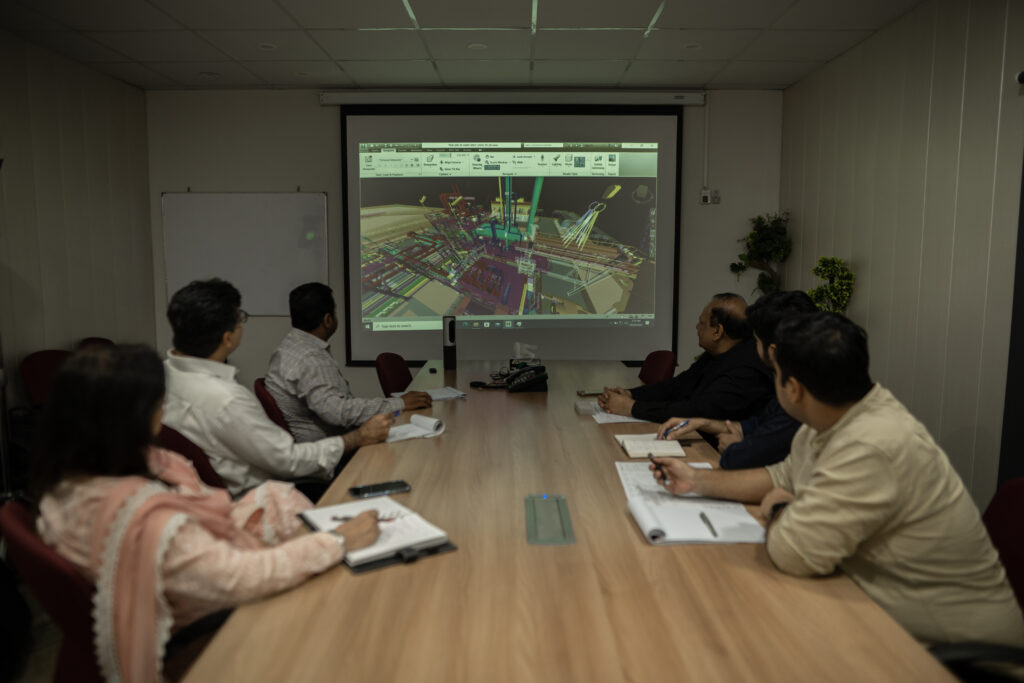
Labor represents some major costs in any operation. Material prices jump around unpredictably. Equipment ends up sitting idle between uses way too often. Industrial engineering finds ways to optimize all these resources intelligently.
Workforce planning makes sure you’ve got the right-sized teams. Too many workers and you’re hemorrhaging money on payroll. Too few workers and delays start piling up fast. Proper analysis reveals the optimal number that hits the sweet spot.
Inventory management has to balance competing needs that pull in different directions. Critical spares absolutely must be available when emergencies hit. Excess stock wastes valuable space and ties up capital that could work harder elsewhere. We help you determine ideal levels that make practical sense.
Technology Integration for Efficiency
Modern tools open doors to better decisions across the board. Software can model complex systems with impressive accuracy. Simulations let you test scenarios safely without real-world risks. Data analytics uncover hidden patterns you’d never spot manually.
We use technology appropriately, not just because it’s shiny and new. Not every solution needs high-tech answers – sometimes simple changes work best. Experience guides our recommendations instead of following whatever trend is hot this month.
Automation gets applied where it genuinely makes sense. Repetitive tasks are perfect for machines – they don’t get bored or tired. Human judgment remains essential for complex decisions that need nuance. Getting the right mix is what maximizes overall efficiency.
Continuous Improvement Culture
Optimization never really ends – that’s just the nature of this business. Markets shift constantly. Technology advances at breakneck speed. Better methods keep emerging from unexpected places. Organizations have to keep improving, or they fall behind.
We help build improvement systems that sustain themselves over time. Workers get trained to recognize opportunities when they see them. Ideas get evaluated fairly without politics getting in the way. Successful changes get recognized and rewarded, so people stay motivated.
Small gains pile up quicker than you’d expect. Five percent improvement here. Three percent boost there. After a full year passes, the total improvement becomes genuinely substantial. Compounding effects create advantages that competitors struggle to match.
Conclusion
Industrial engineering excellence genuinely transforms how energy sector operations function. From process optimization to quality control, systematic approaches deliver results you can measure and bank on. Brillante Engineers brings this expertise to every single project we take on.
Our multidisciplinary team gets petrochemical and oil and gas challenges on a deep level. We apply proven industrial engineering methods that fit within your specific context. Better efficiency, higher quality, and improved safety all become goals you can actually achieve.
Ready to optimize your facility’s performance for real? Visit Brillante-Engineers to discover our comprehensive engineering services. Our experienced professionals are standing by, ready to help you achieve operational excellence that lasts. Contact us today and start your optimization journey with a partner you can trust.
FAQ’s
What is industrial engineering in the context of oil and gas facilities?
Industrial engineering in oil and gas is all about optimizing processes, improving quality control, and maximizing how efficiently you use resources in energy facilities. It applies systematic methods to cut waste, increase throughput, and improve safety across all petrochemical operations.
How does industrial engineering improve facility efficiency?
Industrial engineering improves efficiency through process analysis, workflow optimization, and smart resource planning. By identifying bottlenecks, eliminating waste, and streamlining operations, facilities end up achieving higher productivity with lower costs and better quality outcomes.
What tools do industrial engineers use for optimization?
Industrial engineers rely on statistical process control, simulation software, data analytics, and workflow mapping tools. These technologies help analyze current performance, model improvements, and track results to ensure continuous operational enhancement in energy facilities.
Can industrial engineering reduce operational costs?
Yes, industrial engineering significantly reduces costs by optimizing layouts, improving scheduling, minimizing inventory, and eliminating waste. Small efficiency gains across multiple areas compound into substantial cost savings over time for petrochemical and oil and gas operations.
When should companies engage industrial engineering expertise?
Companies should engage industrial engineering during new facility design, major expansions, or when performance issues arise. Early involvement prevents costly mistakes, while ongoing engagement ensures continuous improvement and sustained operational excellence throughout facility lifecycles.